
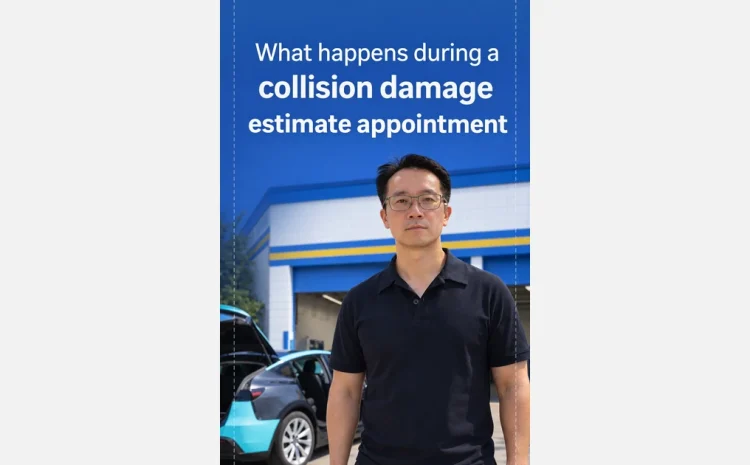
What happens at a collision estimate appointment?
It depends on the damage, but a Richmond collision estimate appointment usually involves a careful inspection, photographs, repair planning, and a cost projection. The estimator may also look beyond visible marks, since parts can hide additional damage. Understanding these steps makes it easier to prepare questions before collision repair begins.
What does the estimator look at first?
The appointment starts with the vehicle’s condition, not just the mark that first caught your eye. The estimator looks over the affected area and considers how the impact may have affected nearby panels, attachments, trim, and other components.
Visible damage can give only part of the picture. A scraped bumper, dented panel, or cracked trim piece may sit over clips, brackets, or other parts that also need inspection. That is why an estimate can develop as more information becomes available.
The estimator records the condition in detail and photographs the vehicle. Those images help show what was visible at the appointment and support a written plan for the work that may be required.
You can point out anything you noticed after the collision, including warning lights, unusual sounds, changes in how a door closes, or a feature that no longer behaves normally. These observations give the estimator more information to check.
- Keep the conversation focused on what changed after the collision.
- Mention damage that may be separate from the most obvious dent or scrape.
- Ask which findings are confirmed and which items need further inspection.
What does the written estimate mean?
An estimate is a repair plan with projected costs. ICBC explains that an estimator prepares the repairs needed and their cost after assessing the vehicle (ICBC). The document is not simply a description of the most visible damage.
The wording on an estimate can include parts to inspect, remove, repair, replace, refinish, or reinstall. Ask for plain-language explanations when a line is unfamiliar. You should understand what each item relates to before authorizing collision repair.
The estimate indicates what the repair is likely to cost, rather than promising that the final amount cannot change (ICBC). Additional findings can affect the plan when the vehicle is examined more closely.
Insurance arrangements can also affect how the estimate is handled. Your policy and insurer’s process determine what is covered and what information is needed, so ask the appropriate insurance contact about claim-specific decisions.
- Review the damaged area shown in the photographs.
- Ask whether the listed work addresses visible damage only or includes items found during further inspection.
- Ask what may cause the estimate to change.
- Keep a copy of the estimate and any related claim information.
Why might parts be removed during the appointment?
A thorough inspection sometimes requires access behind an exterior panel or inside the vehicle. A participating shop may remove parts so it can check for damage that cannot be seen from outside. ICBC says this process can help produce a more complete initial estimate and does not itself mean repairs have started (ICBC).
For example, suppose a front corner has a scrape and a parking sensor begins acting differently. Looking only at the outer cover may not show whether the sensor, its mounting point, or another part needs attention. A closer inspection can separate those possibilities.
The same principle applies to interior trim. Removing a trim piece may let the estimator examine clips, brackets, or structural elements beneath it. The purpose is to understand the condition before the repair plan is finalized, not to make a hidden assumption about the damage.
Ask what access is needed and what the inspection is intended to confirm. If a part is removed, ask how the finding will appear in the estimate and whether the item is being inspected, repaired, or replaced.
- Ask which part must be moved or removed for access.
- Ask what hidden area the inspection will cover.
- Ask whether the work is inspection activity or an authorized repair.
- Do not try to inspect structural, sensor, camera, or airbag areas yourself.
What should you bring and ask in Richmond?
Bring the information connected with the incident, including your ICBC claim number, photographs taken after the collision, and a note of any warning lights that appeared. If you are making a private insurance claim, bring the claim details supplied by that insurer instead.
A written list can help when the appointment feels rushed. Note changes in sensors, lights, doors, windows, locks, dashboard messages, or other features. You do not need to diagnose the cause; describe what you noticed and when it began.
You can also bring questions about the estimate itself. Ask which damage is visible, which items need access or testing, and whether the listed projected cost may change after a closer inspection.
If a line is unclear, ask Bridgeport Collision to explain it in everyday language. Clear explanations can help you compare the inspection notes with what you remember from the collision and decide what information to discuss with your insurer.
Suppose the estimate lists an inspection behind a bumper cover but does not say what the inspection found. Ask what was observed, whether any related part is damaged, and how that finding affects the proposed collision repair. This keeps the discussion tied to the vehicle rather than to unfamiliar terminology.
ICBC says you may have the vehicle estimated at the repair shop of your choice, where an estimator writes the needed repairs and their cost (ICBC). That gives you a place to ask questions about the document while the vehicle’s condition is being reviewed. Source details are current as of October 2026.
- Bring claim information and collision photographs.
- Write down new warning lights or changes in vehicle functions.
- Ask which findings are confirmed and which remain subject to inspection.
- Ask for an explanation of every estimate line you do not understand.
Frequently asked questions
What happens at a collision estimate appointment?
It depends on the damage. The estimator examines the vehicle, records visible conditions, plans the required work, and may inspect behind removable parts before preparing projected costs.
Does removing a bumper or trim mean collision repair has started?
No, not necessarily. ICBC says a participating shop may remove parts to assess hidden damage for a more complete initial estimate, and that activity is not considered the start of repairs (ICBC).
Can the estimate change after the first inspection?
Yes, it can change if closer access reveals damage that was not visible at first. The estimate describes the likely repair cost, so ask what findings are confirmed and what items may require further review (ICBC).
Should I bring photographs to the appointment?
Yes, photographs from after the collision can help explain the vehicle’s condition at the time of the incident. Also bring your claim information and a written note of new warning lights or vehicle changes.
Read more about collision repair from Bridgeport Collision.
Questions about collision repair? Text 778-522-2188 or visit bridgeportcollision.com.
This article was written with AI. The video is presented by an AI avatar.